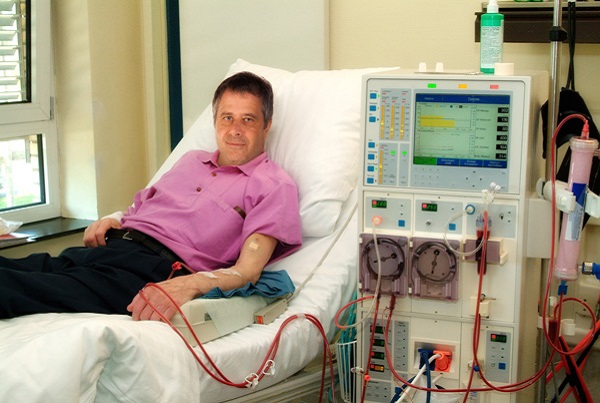
Understanding When Your Kidneys Need Extra Support
A 54-year-old patient came to our clinic feeling constantly tired. He struggled with swelling in his legs, loss of appetite, and shortness of breath. Like many people, he thought these issues were simply related to age and work stress.
After a detailed evaluation, the actual problem became clear.
His kidneys were no longer filtering waste effectively, and dialysis had become necessary.
The word "dialysis" often creates fear, but the reality is very different. For many patients, dialysis is not the end of normal life—it is the treatment that helps them continue living it.
If you're looking for Dialysis Treatment in Rohini Sector 24, understanding how dialysis works and when it becomes necessary can help reduce anxiety and encourage timely medical care.
What Happens When Kidneys Stop Working Properly?
Healthy kidneys perform several essential functions every day.
They help:
-
Remove waste products from the blood
-
Maintain fluid balance
-
Control blood pressure
-
Balance minerals and electrolytes
-
Support overall body function
When kidney function declines significantly, harmful waste and excess fluid begin accumulating in the body.
Dialysis helps perform some of the filtering work that healthy kidneys normally do.
Experienced kidney specialists like Dr. Bhanu Mishra help patients determine when dialysis is needed and how it can improve their health.
The Signs Your Kidneys May Need Help
Kidney failure rarely develops overnight.
The symptoms often appear gradually.
Constant Fatigue
Many patients describe feeling tired even after getting adequate rest.
Swelling in the Legs and Feet
Fluid retention is one of the most common warning signs.
Shortness of Breath
Excess fluid can place pressure on the lungs and heart.
Nausea and Loss of Appetite
Toxin buildup may affect digestion and appetite.
Difficulty Concentrating
Waste accumulation in the bloodstream can affect mental clarity.
The Biggest Myth About Dialysis
"Dialysis Means Life Is Over"
This is one of the most damaging misconceptions we hear.
The truth is that many dialysis patients continue to:
-
Work full-time
-
Travel
-
Spend time with family
-
Exercise regularly
-
Enjoy an active lifestyle
Dialysis is designed to improve quality of life by helping the body function more effectively.
A Contrarian Insight Most Patients Need to Hear
Many people delay dialysis because they hope to avoid it for as long as possible.
While that sounds reasonable, waiting too long can sometimes cause more harm than good.
In certain cases, timely dialysis improves energy levels, reduces symptoms, and prevents serious complications.
The goal should not be avoiding dialysis at all costs.
The goal should be receiving the right treatment at the right time.
Kidney Disease Is More Common Than Many Realize
According to global health reports published in 2024, chronic kidney disease affects hundreds of millions of people worldwide, and many cases remain undiagnosed until advanced stages.
This highlights the importance of routine testing, especially for people with:
-
Diabetes
-
High blood pressure
-
Family history of kidney disease
-
Heart disease
Early detection often provides more treatment options.
A Real-Life Example
One of our clients was advised to start dialysis months before he finally agreed.
He was worried about lifestyle changes and hoped his symptoms would improve on their own.
Instead, fatigue worsened and daily activities became increasingly difficult.
After beginning dialysis under specialist supervision, his swelling reduced, energy improved, and overall health stabilized.
His biggest takeaway?
He wished he had started treatment earlier.
How Does Dialysis Actually Work?
Dialysis removes waste products, excess fluid, and toxins from the blood when the kidneys can no longer do so effectively.
Hemodialysis
Blood is filtered through a specialized machine before being returned to the body.
Peritoneal Dialysis
A special fluid inside the abdomen helps remove waste products.
The most appropriate option depends on individual health conditions and lifestyle needs.
What Conditions Often Lead to Dialysis?
Chronic Kidney Disease
The most common cause of long-term dialysis.
Diabetes
A leading contributor to kidney damage worldwide.
High Blood Pressure
Uncontrolled hypertension can gradually damage kidney tissue.
Kidney Infections and Disorders
Certain medical conditions may accelerate kidney decline.
Genetic Kidney Diseases
Some inherited conditions affect long-term kidney function.
How Can You Protect Your Kidney Health?
Even if dialysis is not currently needed, prevention remains important.
Monitor Blood Pressure
Keeping blood pressure under control protects kidney function.
Manage Blood Sugar Levels
Diabetic patients should prioritize glucose management.
Stay Hydrated
Adequate hydration supports healthy kidney function.
Reduce Salt Intake
Lower sodium consumption helps reduce kidney stress.
Attend Regular Checkups
Routine testing often detects problems before symptoms become severe.
Why Choosing the Right Matters
Dialysis treatment isn't simply about operating a machine.
It involves ongoing monitoring, symptom management, nutritional guidance, and long-term kidney care.
Patients seeking Dialysis Treatment in Rohini Sector 24 often benefit from specialists who provide a comprehensive treatment plan tailored to their specific needs.
Experienced nephrologists such as Dr. Bhanu Mishra focus on improving both health outcomes and quality of life.
Frequently Asked Questions
When is dialysis required?
Dialysis is usually recommended when kidney function declines to the point where waste products and excess fluid can no longer be effectively removed from the body.
Is dialysis painful?
Most patients do not find dialysis painful, although some may experience temporary discomfort or fatigue during treatment.
Can dialysis improve quality of life?
Yes. Many patients experience better symptom control, improved energy levels, and greater overall well-being after starting dialysis.
Take Action Before Kidney Disease Progresses
Kidney disease often develops quietly, but its effects can become serious if left untreated.
If you're experiencing swelling, fatigue, abnormal kidney reports, or have been advised to consider dialysis, seek professional guidance for Dialysis Treatment in Rohini Sector 24.
Dr. Bhanu Mishra can help you understand your options, manage your condition effectively, and maintain the best possible quality of life.
- Dialysis Treatment in Rohini Sector 23
- Dialysis Treatment in Rohini Sector 24
- Dialysis Treatment in Rohini Sector 25
- Dialysis Treatment in Rohini Sector 20
| Tags: | # Dialysis Treatment in Rohini Sector 33, # Dialysis Treatment in Rohini, # Dialysis Treatment in Pitampura, # Dialysis Treatment in Janakpuri |


