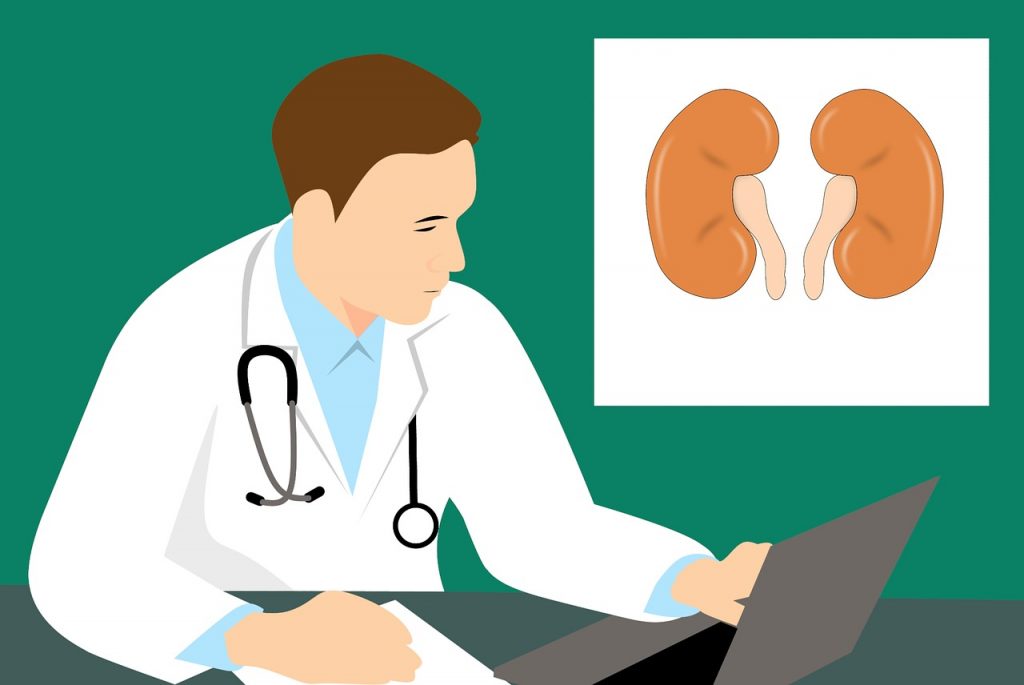
A Kidney Transplant Is a Major Decision—But You Don't Have to Face It Unprepared
You have been managing kidney disease for a long time. Now your doctor has started discussing kidney transplantation, and suddenly you have dozens of questions.
Who can donate? Am I eligible? What happens before the transplant? Will the new kidney work immediately? What happens after surgery?
These are not questions you should have to answer alone. A Kidney Transplant Doctor in Rohini can help you understand the evaluation process, possible treatment options, and the long-term care required after transplantation.
What Is a Kidney Transplant?
A kidney transplant is a procedure in which a healthy kidney from a suitable donor is placed into a person whose kidneys are no longer able to function adequately.
The new kidney takes over important functions
A functioning transplanted kidney can help:
-
Remove waste from the blood
-
Control fluid balance
-
Support electrolyte balance
-
Reduce the need for dialysis in suitable patients
-
Improve quality of life for many eligible patients
A transplant does not mean the underlying medical journey ends. It begins a different phase of kidney care.
Who May Need a Transplant?
Not every person with kidney disease needs a transplant.
The discussion usually comes later in advanced kidney disease
Patients with severe, irreversible loss of kidney function may be evaluated for kidney replacement options such as dialysis or transplantation.
In appropriate patients, transplant evaluation may happen before dialysis begins. This is sometimes called pre-emptive transplantation.
The timing depends on kidney function, overall health, donor availability, and the transplant team's assessment.
Don't Wait Until the Last Minute
One of the biggest mistakes families can make is starting the transplant conversation only after an emergency occurs.
We would challenge the idea that transplantation should be discussed only when dialysis has already become unavoidable.
Preparation takes time
Transplant evaluation can involve:
-
Medical testing
-
Blood-group assessment
-
Tissue compatibility testing
-
Infection screening
-
Heart and other health checks
-
Donor evaluation
-
Psychological and social assessment
-
Review of existing medicines
-
Discussions about transplant risks and benefits
Starting the process early gives the medical team and family more time to understand what lies ahead.
What Makes Someone a Suitable Donor?
A kidney can come from a living donor or, depending on the circumstances, a deceased donor.
Donor safety matters just as much
A potential living donor undergoes detailed medical evaluation.
The purpose is not simply to determine whether the kidney could work for the recipient. Doctors must also make sure donation is reasonably safe for the donor.
Compatibility is important, but being a biological relative does not automatically guarantee that a transplant will be suitable.
What Happens Before Transplantation?
The transplant team needs a clear picture of both recipient and donor health.
Expect several assessments
The recipient may undergo:
-
Blood and urine testing
-
Imaging
-
Heart evaluation
-
Infection screening
-
Kidney-disease assessment
-
Medication review
-
General health evaluation
Additional tests may be required depending on age, medical history, and transplant-centre protocols.
It can feel like a long process, but each assessment has a purpose.
What Happens After the Transplant?
The surgery is only one part of the journey.
After transplantation, the immune system naturally recognizes the new kidney as different. Medicines called immunosuppressants are used to reduce the risk of rejection.
Follow-up becomes extremely important
Patients generally need:
-
Regular blood tests
-
Medication monitoring
-
Blood-pressure checks
-
Kidney-function monitoring
-
Infection precautions
-
Regular transplant-team appointments
Taking anti-rejection medicines exactly as prescribed is critical.
Missing doses without medical advice can increase the risk of serious complications.
A Real-World Patient Situation
Consider a patient whose kidney function has gradually declined over several years.
Instead of waiting until an emergency dialysis admission, the family begins transplant discussions early. The patient completes the required evaluations, the potential donor is assessed, and the family gets a clearer understanding of the process and possible timelines.
The biggest benefit of early planning is not simply convenience. It gives patients time to make informed decisions rather than making major choices under pressure.
The Advice We Wouldn't Give
You may hear someone say, “After a transplant, you can forget about kidney disease.”
We strongly disagree.
A transplant requires lifelong attention
The transplanted kidney needs ongoing protection.
This includes taking medicines consistently, attending follow-up appointments, monitoring kidney function, and reporting concerning symptoms promptly.
A successful transplant is not the end of medical care. It is a long-term partnership between the patient and healthcare team.
Kidney Transplantation Is Not Rare
Kidney transplantation has become an established treatment for suitable patients with kidney failure.
Recent global transplant data continue to show substantial numbers of kidney transplants being performed each year, while the need remains much greater than the supply of available donor organs.
This shortage is one reason early evaluation and appropriate donor discussions can be important for eligible patients.
Where Dr. Bhanu Mishra Fits In
Dr. Bhanu Mishra is a specialist patients may consider when they need guidance regarding advanced kidney disease, transplant evaluation, or ongoing kidney care. A consultation can help patients understand their kidney function, discuss kidney replacement options, review medical reports, and determine what further transplant-related evaluation may be appropriate.
The actual transplant procedure is performed by a specialized transplant team at an appropriate transplant centre.
Main Specialties to Look For
When considering transplant-related care, look for expertise across the complete kidney-care journey.
Key areas include:
-
Advanced chronic kidney disease
-
Kidney failure management
-
Dialysis care
-
Kidney transplant evaluation
-
Pre-transplant medical assessment
-
Living-donor evaluation
-
Post-transplant kidney monitoring
-
Blood-pressure management
-
Infection and medication monitoring
-
Long-term kidney health
Good transplant care is about more than the operation. It includes careful preparation before surgery and consistent monitoring afterward.
Three Questions Patients Ask
1. Can a kidney transplant eliminate the need for dialysis?
A successful transplant can provide functioning kidney replacement and may eliminate the need for dialysis in suitable patients. However, outcomes vary and the transplant team determines whether transplantation is appropriate.
2. Can a family member donate a kidney?
A family member may potentially be a living donor, but relationship alone does not determine eligibility. The donor must undergo detailed medical and compatibility testing.
3. How long does a transplanted kidney last?
There is no single guaranteed lifespan. It varies based on donor and recipient factors, transplant type, medical conditions, rejection episodes, medication adherence, and other factors.
Start the Conversation Early
If your kidney function is approaching advanced stages, don't wait until you are overwhelmed by symptoms or an emergency hospital visit.
Ask about dialysis, transplantation, donor evaluation, and the timeline that may apply to your situation.
If you are looking for a Kidney Transplant Doctor in Rohini, book a consultation with Dr. Bhanu Mishra and bring your recent kidney-function reports, dialysis records, imaging, medication list, and previous medical documents. Understanding your options early can make the next stage much easier to navigate.
- Kidney Transplant Doctor in Rohini Sector 23
- Kidney Transplant Doctor in Rohini Sector 24
- Kidney Transplant Doctor in Rohini Sector 25
- Kidney Transplant Doctor in Rohini Sector 20
| Tags: | #Kidney Transplant Doctor in Rohini Sector 33, #Kidney Transplant Doctor in Rohini, #Kidney Transplant Doctor in Pitampura, #Kidney Transplant Doctor in Janakpuri |


