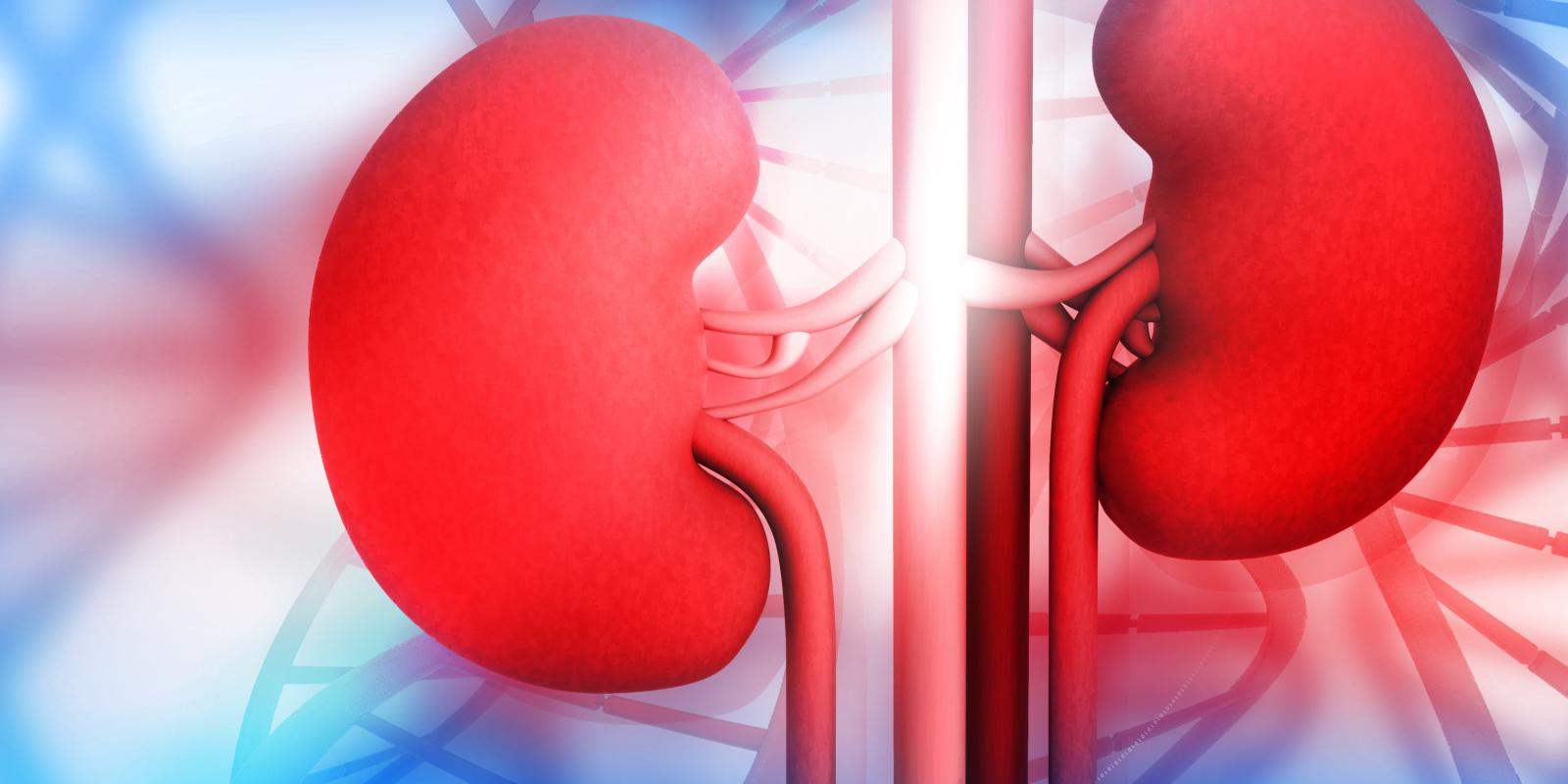
Don’t Wait for Kidney Trouble to Get Worse
Your blood test says your creatinine is slightly high. Your doctor tells you to keep an eye on it, but you are not experiencing much discomfort.
So you put the report away.
A few months later, the swelling around your ankles is more noticeable, your blood pressure is harder to control, and you are wondering whether you should finally see a Kidney Doctor in Rohini Sector 23.
This is a common situation. Kidney problems can develop gradually, and waiting for obvious symptoms can sometimes mean losing valuable time.
What Does a Kidney Doctor Do?
A kidney doctor, also called a nephrologist, diagnoses and manages conditions that affect kidney function.
Main specialties include:
-
Chronic kidney disease
-
Acute kidney injury
-
High blood pressure linked to kidney problems
-
Protein in urine
-
Blood in urine
-
Glomerulonephritis
-
Kidney-related electrolyte problems
-
Dialysis management
-
Kidney transplant care
-
Kidney disease caused by diabetes
-
Kidney problems associated with other medical conditions
The important point is that you do not need to be on dialysis to see a kidney specialist.
Start With the Warning Signs
Kidney disease is often difficult to recognize in its early stages because the symptoms may be mild or completely absent.
Pay attention to changes
You should consider medical evaluation if you notice:
-
Swelling in the feet, ankles, hands, or around the eyes
-
Foamy or unusually bubbly urine
-
Blood in your urine
-
Major changes in how often you urinate
-
Persistent tiredness
-
Nausea or poor appetite
-
Difficult-to-control blood pressure
-
Repeatedly abnormal creatinine or eGFR reports
None of these automatically means you have serious kidney disease. But persistent or unexplained changes should not simply be ignored.
Diabetes and Blood Pressure Matter
If you have diabetes or hypertension, kidney health deserves particular attention.
Both conditions can gradually affect the tiny blood vessels that help the kidneys filter your blood. The difficult part is that kidney damage may develop before you notice anything unusual.
A simple test can tell you a lot
Blood tests can measure creatinine and help estimate kidney filtration. Urine testing can also identify albumin or protein, which may indicate kidney damage.
Regular monitoring can therefore be useful even when you feel perfectly healthy.
The Advice We Would Challenge
Many people believe they should visit a kidney specialist only after their general physician tells them their kidney function is “very bad.”
We would challenge that approach.
A nephrologist is not just a doctor for kidney failure.
Early specialist evaluation can help identify the cause of kidney problems, assess risk, review medications, and create a plan to slow further damage where possible.
Seeing a specialist does not automatically mean dialysis. Sometimes the most valuable treatment is simply catching a problem early enough to manage it properly.
A Situation We See Often
Imagine a middle-aged patient with high blood pressure who notices mild swelling around the feet.
There is no severe pain, so the patient assumes it is caused by standing or working for long hours. During a routine health check, however, kidney-related blood and urine results come back abnormal.
A detailed evaluation can help identify whether the kidney is being affected and whether the blood pressure itself may be contributing to the problem.
This is why we tell our clients: don't judge kidney health only by how you feel. Look at the evidence in your reports too.
What Should You Take to Your Appointment?
A kidney consultation becomes much more useful when you bring your previous medical information.
Keep these reports handy:
-
Recent blood tests
-
Previous creatinine and eGFR reports
-
Urine routine or urine protein reports
-
Blood pressure readings
-
Diabetes reports, if applicable
-
Ultrasound or other imaging reports
-
Current medicines
-
Previous hospital records
Your doctor can then compare older and newer results instead of looking at one report in isolation.
One Creatinine Number Isn't the Whole Story
People often see a high creatinine number and immediately assume their kidneys are failing.
That is not necessarily true.
Context changes the interpretation
Kidney function needs to be assessed using your medical history, age, previous results, eGFR, urine findings, medications, hydration status, and other relevant factors.
A single abnormal result may require repeat testing or further investigation rather than panic.
The goal is to understand the trend and the reason behind it.
Kidney Disease Is More Common Than Many People Think
The kidney disease burden is significant worldwide. The World Health Organization reported in 2026 that an estimated 674 million people worldwide have chronic kidney disease, while also emphasizing that kidney disease can remain without symptoms until later stages.
The WHO has also highlighted the importance of early detection, particularly among people with diabetes, hypertension, and cardiovascular disease.
That makes routine kidney assessment more than just another health check for people at risk.
Where Dr. Bhanu Mishra Fits In
Dr. Bhanu Mishra is a specialist patients may consider when they need guidance for kidney-related concerns. A consultation can focus on understanding abnormal kidney reports, evaluating kidney function, identifying possible causes, and deciding what monitoring or treatment may be appropriate for the individual patient.
The objective should always be clear: understand the problem first, then choose the right next step.
Choose the Right Kidney Care
Not every kidney problem requires the same treatment.
Important areas of kidney care include:
-
Kidney function assessment
-
Chronic kidney disease management
-
Hypertension-related kidney problems
-
Diabetes-related kidney disease
-
Proteinuria
-
Glomerular diseases
-
Acute kidney injury
-
Electrolyte disorders
-
Dialysis care
-
Kidney transplant evaluation and follow-up
A good kidney specialist should look at your overall health rather than treating one laboratory value in isolation.
Three Questions Patients Commonly Ask
1. When should I see a kidney doctor?
Consider seeing one if you have persistent abnormal kidney tests, protein or blood in urine, uncontrolled blood pressure, swelling, diabetes with kidney-related concerns, or a known decline in kidney function.
2. Can I have kidney disease without symptoms?
Yes. Early kidney disease can have few noticeable symptoms, which is why testing can be especially important for people with diabetes, hypertension, or other risk factors.
3. Is a kidney doctor the same as a urologist?
No. Nephrologists mainly manage kidney function and medical kidney diseases. Urologists deal primarily with the urinary tract and surgical conditions involving the kidneys, ureters, bladder, and reproductive system.
Don't Put That Kidney Report Away
If you have been repeatedly told that your creatinine is abnormal, your urine contains protein, or your blood pressure is becoming difficult to control, don't simply wait for stronger symptoms.
Bring your previous reports and get the findings properly reviewed.
If you are looking for a Kidney Doctor in Rohini Sector 23, consider booking a consultation with Dr. Bhanu Mishra and carrying your recent medical reports. Understanding your kidney health early can give you more options for managing it wisely.
- Kidney Doctor in Rohini Sector 23
- Kidney Doctor in Rohini Sector 24
- Kidney Doctor in Rohini Sector 25
- Kidney Doctor in Rohini Sector 20
| Tags: | #Kidney Doctor in Rohini Sector 33, #Kidney Doctor in Rohini, #Kidney Doctor in Pitampura, #Kidney Doctor in Janakpuri |


