When Your Urine Report Starts Raising Questions
You go for a routine health check and everything seems normal—until your urine report shows protein or blood. Maybe your face looks slightly puffy in the morning, or your blood pressure has suddenly started running higher than usual.
You may be told to “repeat the test later.” But repeated abnormal urine findings can sometimes point to a problem inside the kidney itself. This is where proper evaluation and Glomerulonephritis Treatment in Rohini Sector 24 can become important.
What Is Glomerulonephritis?
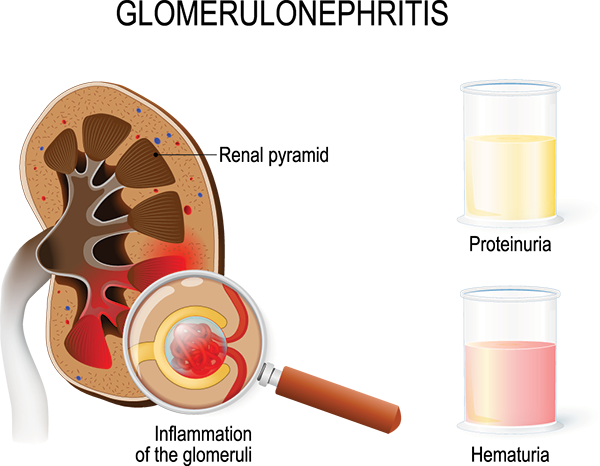
Inside each kidney are millions of tiny filtering units called glomeruli. They help remove waste and extra fluid from your blood while keeping important substances inside your body.
Glomerulonephritis occurs when these tiny filters become inflamed or damaged.
The condition can affect kidney function
Depending on its type and severity, glomerulonephritis may cause:
-
Blood in the urine
-
Protein in the urine
-
Swelling around the eyes, feet, or ankles
-
High blood pressure
-
Reduced urine output
-
Increased creatinine
-
Changes in kidney function
It can develop suddenly or continue gradually over a longer period.
Look Closely at Your Urine
Many people associate kidney disease with pain. Glomerulonephritis can be different.
Your urine may provide an early clue
Urine that looks pink, red, brown, or unusually foamy deserves attention, particularly if the change continues or appears alongside swelling or high blood pressure.
Sometimes the blood or protein is microscopic and can only be discovered through testing.
That is why an abnormal urine report should not automatically be dismissed simply because you feel fine.
Several Causes Are Possible
Glomerulonephritis is not one single disease with one standard treatment.
It can be linked to infections, autoimmune conditions, certain medications, or other underlying health problems. In some cases, the exact cause needs detailed investigation.
Finding the cause comes first
Your doctor may review:
-
Blood and urine tests
-
Kidney function
-
Blood pressure
-
Previous infections
-
Medication history
-
Other medical conditions
-
Immune-related test results
-
Imaging when appropriate
In selected patients, a kidney biopsy may be considered to understand exactly what is happening inside the kidney.
Don't Treat Every Case the Same Way
This is one area where we challenge a common assumption: there is no single “best medicine” for glomerulonephritis.
Treatment depends on the type, cause, severity, kidney function, and the amount of inflammation or protein loss.
Some patients mainly need careful monitoring and control of blood pressure and protein loss. Others may require medicines that control inflammation or the immune system.
The treatment should match the underlying problem rather than simply treating the latest laboratory number.
A Patient Scenario We Often See
Consider someone who notices persistent foam in the urine but has no pain.
Initially, it may seem harmless. However, testing can reveal significant protein in the urine along with an abnormal kidney function result.
A detailed evaluation may then identify an underlying glomerular problem and allow treatment to begin before kidney damage becomes more advanced.
This is why we tell our clients: persistent urine changes are worth investigating, even when you otherwise feel well.
What Happens During Treatment?
Treatment is not always about immediately using strong medication.
Your care plan may include:
-
Controlling blood pressure
-
Reducing excess protein loss in urine
-
Managing swelling
-
Treating an underlying infection, when relevant
-
Managing an autoimmune cause, when present
-
Monitoring kidney function
-
Reviewing medicines
-
Making appropriate dietary changes
-
Planning regular follow-up tests
The exact plan should be decided by a kidney specialist after evaluating your individual condition.
Don't Panic Over One Abnormal Report
An abnormal urine report can be worrying, but it does not automatically mean permanent kidney damage.
Trends matter
Doctors generally look at the full picture: urine findings, creatinine, eGFR, blood pressure, symptoms, medical history, and how these results change over time.
Repeating tests or performing additional investigations may be necessary before reaching a diagnosis.
The goal is accurate diagnosis—not unnecessary fear.
Kidney Disease Is a Growing Health Concern
The scale of chronic kidney disease shows why early kidney evaluation matters. The Global Burden of Disease study published in The Lancet in 2024 estimated that more than 780 million people worldwide were living with chronic kidney disease in 2021.
Glomerular diseases such as glomerulonephritis can contribute to kidney damage, making early recognition of abnormal urine and kidney-function findings particularly important.
Where Dr. Bhanu Mishra Fits In
Dr. Bhanu Mishra is a specialist patients may consider when they need evaluation for kidney-related problems such as abnormal urine findings, proteinuria, blood in urine, high blood pressure, or changing kidney function. The focus should be on identifying the underlying cause and developing an appropriate treatment and monitoring plan.
Main Specialties to Consider
When seeking care for glomerulonephritis, look for expertise in areas such as:
Key kidney-care specialties include:
-
Glomerulonephritis evaluation
-
Proteinuria management
-
Blood in urine assessment
-
Chronic kidney disease
-
Acute kidney injury
-
Hypertension and kidney disease
-
Autoimmune kidney conditions
-
Kidney function monitoring
-
Dialysis care
-
Kidney transplant evaluation and follow-up
The right approach is not simply to lower one laboratory value. It is to understand why the kidney filters are being affected and protect kidney function over time.
Three Questions Patients Ask
1. Can glomerulonephritis be cured?
Some forms can improve significantly when the underlying cause is identified and treated. Others may require long-term monitoring and treatment to protect kidney function.
2. Is blood in urine always caused by glomerulonephritis?
No. Blood in urine can have many causes, including urinary tract problems, stones, infections, and kidney conditions. Proper testing is needed to identify the source.
3. Does glomerulonephritis always lead to kidney failure?
No. The outcome depends on the type, severity, cause, kidney function, and response to treatment. Early evaluation and appropriate management can be important in reducing the risk of progression.
Don't Ignore Repeated Urine Abnormalities
If you repeatedly notice foamy urine, swelling, blood in your urine, high blood pressure, or abnormal kidney-function reports, don't simply wait for severe symptoms.
The earlier the cause is understood, the more clearly you can plan the next step.
If you are looking for Glomerulonephritis Treatment in Rohini Sector 24, book a consultation with Dr. Bhanu Mishra and carry your recent blood and urine reports. A proper evaluation can help identify the cause and guide the right treatment approach.
- Glomerulonephritis Treatment in Rohini Sector 23
- Glomerulonephritis Treatment in Rohini Sector 24
- Glomerulonephritis Treatment in Rohini Sector 25
- Glomerulonephritis Treatment in Rohini Sector 20
| Tags: | #Glomerulonephritis Treatment in Rohini Sector 33, #Glomerulonephritis Treatment in Rohini, #Glomerulonephritis Treatment in Pitampura, #Glomerulonephritis Treatment in Janakpuri |


