Nephrology Doctor
Kidney health can change gradually, and many people don't realize there is a problem until a routine blood or urine test shows something unusual. An elevated creatinine level, protein in the urine, persistent swelling, or difficult-to-control blood pressure may all warrant further evaluation.
If you are searching for the best nephrology doctor in Tilak Nagar, the focus should be on identifying the cause of the kidney problem and developing an appropriate plan for treatment and follow-up.
What Does a Nephrology Doctor Do?
Nephrologists are physicians who specialize in the medical diagnosis and management of kidney disorders. They treat conditions affecting kidney function and also manage complications that can occur when the kidneys are not working properly.
A nephrologist may care for patients with:
- Chronic kidney disease
- Acute kidney injury
- Protein or blood in the urine
- Glomerulonephritis
- Kidney-related hypertension
- Electrolyte abnormalities
- Fluid and electrolyte disturbances
- Advanced kidney disease requiring dialysis
- Patients being evaluated for kidney transplantation
The treatment approach depends on the underlying diagnosis and the patient's overall health.
When Should You See a Nephrologist?
A referral to a nephrologist may be appropriate when kidney-related abnormalities persist or when a person has risk factors for kidney disease.
Consider seeking specialist advice if you have:
- Repeatedly abnormal kidney function tests
- Protein detected in urine
- Blood in urine without an established explanation
- Persistent swelling
- Uncontrolled or difficult-to-control blood pressure
- Reduced urine output
- Diabetes with signs of kidney involvement
- A known chronic kidney condition
- A family history of certain kidney diseases
Some kidney conditions have few symptoms initially, so waiting for significant discomfort is not always appropriate.
Understanding Kidney Function Tests
Blood and urine tests provide important information about kidney health.
Creatinine is commonly measured to assess kidney function, while estimated filtration measures provide an approximation of how effectively the kidneys are filtering blood. Urine tests can identify protein, blood, and other abnormalities.
However, these numbers should be interpreted alongside the patient's age, medical history, medications, hydration status, symptoms, and previous results.
A single abnormal test does not necessarily establish chronic kidney disease.
Kidney Disease and Hypertension
High blood pressure is closely linked with kidney health.
Long-term hypertension can damage the blood vessels involved in kidney filtration. Conversely, kidney disease can contribute to elevated blood pressure by affecting fluid and hormonal regulation.
Patients with both conditions may need regular monitoring of blood pressure, kidney function, and urine findings.
Managing hypertension appropriately can be an important component of protecting kidney function.
Diabetes and Kidney Health
Diabetes can affect the tiny blood vessels within the kidneys over time. Kidney involvement may initially be detected through urine testing before a person develops noticeable symptoms.
People with diabetes may therefore require periodic monitoring based on their individual health profile.
control of blood sugar and blood pressure, together with appropriate medical follow-up, can form an important part of long-term kidney care.
What Happens During a Nephrology Consultation?
A nephrology appointment generally starts with a detailed review of the patient's medical history and existing reports.
The doctor may ask about:
- Current symptoms
- Urination patterns
- Blood pressure readings
- Diabetes
- Previous kidney problems
- Current medicines
- Family history
- Previous blood and urine tests
Additional investigations may be recommended depending on what the initial evaluation shows.
Bringing older reports can be particularly useful because kidney function is often assessed by looking at changes over time.
Can Kidney Disease Be Managed?
Many kidney conditions can be managed with appropriate medical care, although treatment varies considerably between patients.
Depending on the diagnosis, management may involve medicines, blood pressure control, diabetes management, dietary guidance, treatment of an underlying disease, or regular laboratory monitoring.
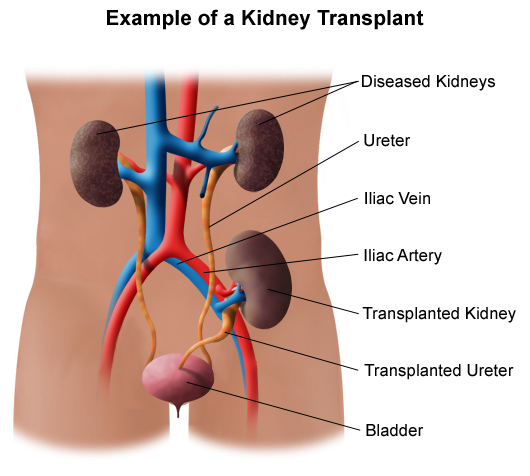
When kidney function becomes severely impaired, dialysis or kidney transplantation may become treatment considerations.
Early identification is useful because some causes of kidney damage can be addressed before substantial loss of kidney function occurs.
Why Follow-Up Is Important
Kidney care often involves monitoring rather than a single treatment.
Even if a patient feels well, periodic blood and urine tests may be necessary to determine whether kidney function remains stable.
Follow-up can also allow the doctor to review medications, monitor blood pressure, manage complications, and modify treatment when necessary.
Choosing a Nephrology Doctor in Tilak Nagar
When searching for the best nephrology doctor in Tilak Nagar, consider the type of kidney problem you need evaluated and whether the doctor provides appropriate long-term follow-up.
Keeping your laboratory reports, imaging results, blood pressure records, and medication list organized can make consultations more productive.
The right treatment plan should be based on your medical condition rather than on a generic approach to kidney problems.
Frequently Asked Questions
1. What conditions does a nephrologist treat?
A nephrologist treats medical kidney conditions such as chronic kidney disease, acute kidney injury, proteinuria, glomerulonephritis, kidney-related hypertension, and complications of advanced kidney disease.
2. Is high creatinine always a sign of kidney disease?
Not necessarily. Creatinine can be affected by several factors. Persistent or unexplained elevation should be evaluated in the context of other test results and the patient's overall health.
3. Can a nephrologist help control high blood pressure?
Yes. Nephrologists commonly manage hypertension, particularly when it is associated with kidney disease, difficult to control, or suspected to have a kidney-related cause.
About Nephrology Care in Tilak Nagar
If you have abnormal kidney reports, persistent urinary changes, swelling, hypertension, or an existing kidney condition, consulting a nephrology doctor in Tilak Nagar can help determine the cause and establish an appropriate plan for treatment and monitoring.
- Nephrology Doctor in Rohini Sector 23
- Nephrology Doctor in Rohini Sector 24
- Nephrology Doctor in Rohini Sector 25
- Nephrology Doctor in Rohini Sector 20
| Tags: | #Nephrology Doctor in Rohini Sector 33, # Nephrology Doctor in Rohini, # Nephrology Doctor in Pitampura, # Nephrology Doctor in Janakpuri |


