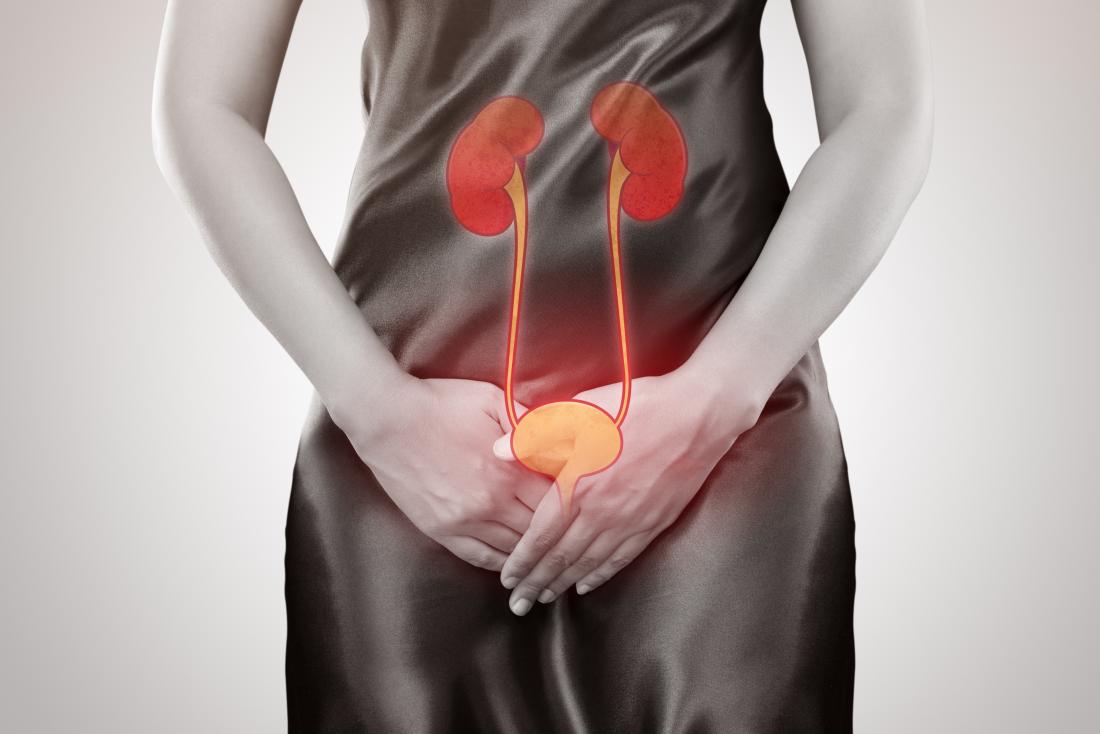
Glomerulonephritis Treatment
Glomerulonephritis can affect the kidneys' ability to filter blood properly. It may develop suddenly or progress gradually, and the symptoms can range from changes in urine to swelling and high blood pressure.
If you are looking for glomerulonephritis treatment in Janakpuri, understanding how the condition is diagnosed and managed can help you recognize why specialist evaluation is important.
What Is Glomerulonephritis?
Glomerulonephritis refers to inflammation affecting the glomeruli—the tiny structures within the kidneys responsible for filtering blood.
When these filtering structures become inflamed or damaged, blood cells and proteins may leak into the urine, while the kidneys may become less effective at removing waste and excess fluid.
The condition can be acute, developing over a relatively short period, or chronic, with kidney damage progressing over a longer period.
What Causes Glomerulonephritis?
Glomerulonephritis can have several possible causes. Some cases are associated with infections, while others may occur as part of an immune-system disorder.
Possible causes or associated conditions include:
- Certain infections
- Autoimmune diseases
- Immune-related kidney disorders
- Certain blood vessel diseases
- Other systemic medical conditions
In some patients, the exact cause may not be immediately clear. A nephrologist may need to perform additional investigations to understand what is affecting the kidneys.
Symptoms to Watch For
The symptoms of glomerulonephritis can vary considerably.
Possible signs include:
- Blood in the urine
- Dark or unusually colored urine
- Foamy urine due to increased protein
- Swelling around the eyes
- Swelling in the feet or ankles
- High blood pressure
- Reduced urine output
- Fatigue
Some cases are discovered through routine urine or blood testing before significant symptoms appear.
How Is Glomerulonephritis Diagnosed?
Diagnosis usually involves combining medical history, physical examination, blood tests, and urine analysis.
A doctor may assess:
- Kidney function
- Protein levels in urine
- Blood cells in urine
- Electrolytes
- Blood pressure
- Signs of infection or immune-related disease
Additional investigations may be recommended depending on the suspected cause.
In selected cases, a kidney biopsy may be necessary. A biopsy involves obtaining a small sample of kidney tissue so it can be examined under a microscope. It is not required for every patient.
Treatment Depends on the Underlying Cause
There is no single treatment that works for every form of glomerulonephritis.
Treatment may focus on controlling the underlying condition and protecting kidney function. Depending on the diagnosis, management may involve medicines to control blood pressure and protein loss, treatment of an underlying infection, or medicines that modify abnormal immune activity.
The exact medication and treatment duration depend on the type and severity of the disease.
Managing Blood Pressure Is Important
High blood pressure can occur with glomerulonephritis and may also contribute to further kidney damage.
For this reason, blood pressure monitoring may form an important part of treatment.
Patients should take prescribed medication as directed and attend follow-up appointments so that blood pressure and kidney function can be monitored over time.
What Happens If Kidney Function Declines?
Some people recover significantly after appropriate treatment, particularly when the underlying cause is identified and addressed early.
In other cases, kidney inflammation can lead to persistent or progressive kidney damage.
If kidney function becomes severely reduced, complications such as fluid retention, electrolyte abnormalities, and accumulation of waste products may develop. Advanced cases may eventually require kidney replacement therapy such as dialysis, depending on the clinical situation.
Why Follow-Up Matters
Glomerulonephritis often requires monitoring even after symptoms improve.
Blood and urine tests can help doctors determine whether inflammation and kidney damage are improving, remaining stable, or progressing.
Follow-up may also help identify complications early and determine whether treatment needs to be continued, adjusted, or changed.
Lifestyle Considerations
Lifestyle recommendations depend on the individual's kidney function and the specific type of glomerulonephritis.
Depending on medical advice, patients may need to pay attention to salt intake, fluid consumption, blood pressure, and other dietary factors.
It is important not to follow restrictive kidney diets without medical guidance because nutritional requirements vary depending on kidney function and treatment.
Finding Glomerulonephritis Treatment in Janakpuri
If you are searching for glomerulonephritis treatment in Janakpuri, look for appropriate nephrology evaluation rather than treating urine abnormalities as an isolated problem.
Blood in the urine, persistent proteinuria, swelling, or abnormal kidney function can have multiple causes. A specialist assessment can help determine whether glomerulonephritis is present and what further investigation may be appropriate.
Frequently Asked Questions
1. Can glomerulonephritis be cured?
The outcome depends on its cause and severity. Some forms can improve substantially with appropriate treatment, while others may cause lasting kidney damage and require long-term monitoring.
2. Is blood in urine always caused by glomerulonephritis?
No. Blood in urine can have many causes, including urinary tract conditions and kidney disorders. Medical evaluation is needed to determine the reason.
3. Can glomerulonephritis lead to kidney failure?
Some forms of glomerulonephritis can cause progressive kidney damage and may eventually lead to kidney failure. The risk varies according to the underlying cause, severity, and response to treatment.
About Glomerulonephritis Care in Janakpuri
Glomerulonephritis requires careful evaluation because its causes and treatment can differ from one patient to another. If you have blood or protein in your urine, swelling, high blood pressure, or abnormal kidney function, seeking glomerulonephritis treatment in Janakpuri can help you understand the cause and appropriate next steps.
- Glomerulonephritis Treatment in Rohini Sector 23
- Glomerulonephritis Treatment in Rohini Sector 24
- Glomerulonephritis Treatment in Rohini Sector 25
- Glomerulonephritis Treatment in Rohini Sector 20
| Tags: | #Glomerulonephritis Treatment in Rohini Sector 33, # Glomerulonephritis Treatment in Rohini, # Glomerulonephritis Treatment in Pitampura, # Glomerulonephritis Treatment in Janakpuri |


