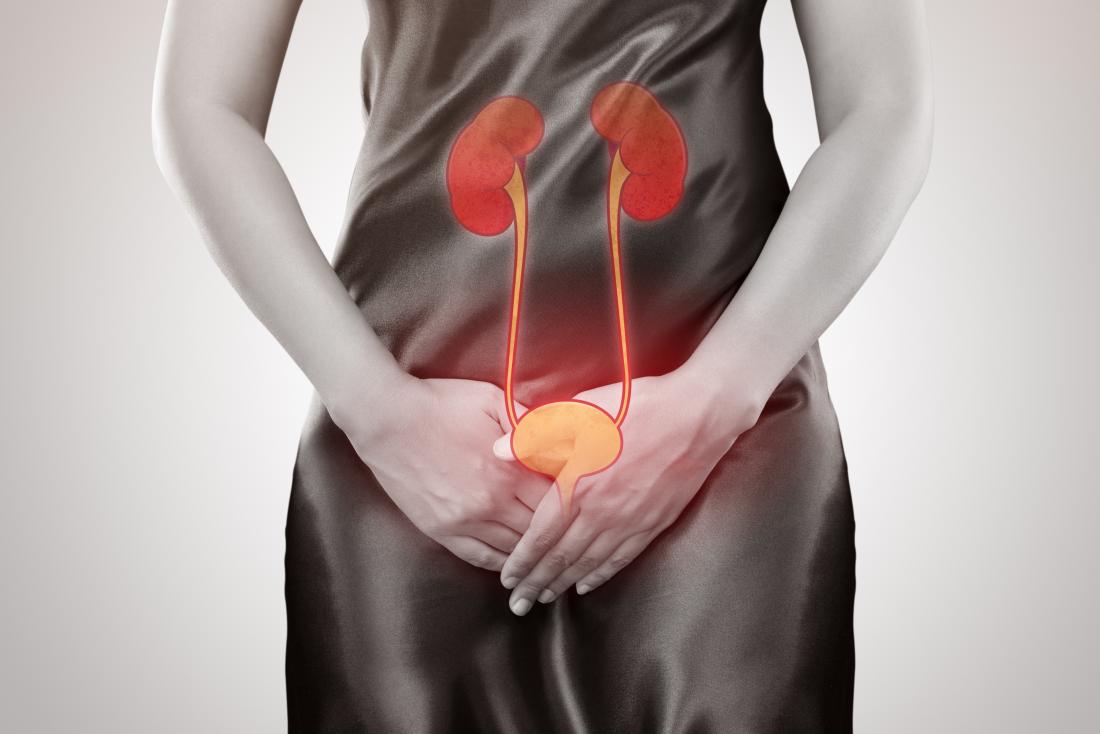
Kidney Transplant Doctor
When kidney function reaches an advanced stage, patients may need to consider kidney replacement options. For some individuals, a kidney transplant can be considered after detailed medical evaluation. If you are searching for the best kidney transplant doctor in Rohini Sector 24, understanding the transplant journey can help you and your family prepare for the process.
Kidney transplantation involves much more than the operation itself. Recipient assessment, donor evaluation, compatibility testing, medication management, and long-term follow-up are all important parts of transplant care.
What Is a Kidney Transplant?
A kidney transplant is a procedure in which a functioning kidney from a suitable donor is placed into a person whose kidneys are no longer adequately performing their essential functions.
The transplanted kidney can take over much of the body's filtering work. However, recipients generally require ongoing medical care and medicines to reduce the risk of rejection.
The suitability of transplantation depends on the patient's overall health and the assessment performed by the transplant team.
Who May Need a Kidney Transplant?
Kidney transplantation may be considered for people with advanced or end-stage kidney disease.
Before transplantation, doctors assess several factors, including:
- Kidney disease and its underlying cause
- Overall medical condition
- Cardiovascular health
- Presence of infections
- Other chronic conditions
- Ability to undergo surgery
- Potential donor availability
- Ability to follow long-term treatment
A transplant is not automatically suitable for everyone with severe kidney disease. A detailed evaluation is necessary.
Understanding the Transplant Evaluation
The evaluation process can involve several tests and consultations.
Doctors may assess:
- Blood group
- Tissue compatibility
- Kidney and liver function
- Infection status
- Heart health
- Imaging results
- Existing medical conditions
- Previous surgical and medical history
The purpose is to determine whether transplantation is medically appropriate and to identify factors that may need to be addressed before surgery.
What Happens During Donor Evaluation?
If a living donor is being considered, the donor undergoes a separate medical evaluation.
The assessment is designed to determine whether the person is healthy enough to donate a kidney and whether donation can be performed with an acceptable level of risk.
Blood tests, kidney function assessment, imaging, cardiovascular evaluation, and other investigations may be performed depending on the donor's medical history.
Compatibility Matters
A potential donor and recipient undergo testing to determine compatibility.
Blood group and tissue-related factors are among the considerations used by transplant teams. Additional testing may also be performed to assess the likelihood of compatibility.
The transplant team uses these results together with the recipient's medical condition when determining the appropriate pathway.
Preparing for Transplant Surgery
Before surgery, patients may need to complete several medical evaluations and address conditions that could affect the procedure.
The transplant team may review current medications, nutritional status, infections, cardiovascular health, and other medical factors.
Patients should also understand what the recovery period may involve and what long-term medicines will be required after transplantation.
Life After a Kidney Transplant
A successful transplant still requires ongoing medical supervision.
Recipients generally need immunosuppressive medicines to reduce the risk of their immune system attacking the transplanted kidney. These medicines need to be taken consistently and monitored carefully.
Follow-up appointments may include:
- Kidney function testing
- Blood pressure monitoring
- Medication review
- Monitoring for rejection
- Infection surveillance
- Assessment of medication side effects
Patients should never stop anti-rejection medication without speaking to their transplant team.
Can a Transplanted Kidney Be Rejected?
Rejection occurs when the immune system responds against the transplanted kidney. Modern transplant care includes medications and monitoring designed to reduce this risk.
Changes in kidney function do not automatically mean rejection, as infections, medication effects, dehydration, and other problems can also affect kidney function.
Prompt investigation of unexpected changes can help the medical team identify the cause and take appropriate action.
Dialysis and Transplantation
Dialysis and transplantation are different forms of kidney replacement therapy.
Some patients receive dialysis while awaiting transplantation, while others may be considered for transplantation before dialysis becomes necessary.
The appropriate approach depends on kidney function, overall health, transplant eligibility, and the availability of a suitable kidney.
Choosing Transplant Care in Rohini Sector 24
If you are researching the best kidney transplant doctor in Rohini Sector 24, consider the complete care pathway rather than focusing only on the surgical procedure.
Kidney transplantation typically involves nephrologists, transplant surgeons, nurses, laboratory specialists, and other healthcare professionals. Long-term follow-up is an essential part of protecting the transplanted kidney.
Taking previous medical reports and a complete list of medications to your consultation can help the transplant team understand your medical history.
Frequently Asked Questions
1. How long does a kidney transplant evaluation take?
The timeframe varies depending on the number of investigations required, the patient's health, donor availability, and the transplant program's processes.
2. Can a person with advanced kidney disease receive a kidney from a living donor?
A living donor may be considered after detailed medical, compatibility, and legal evaluation. Both donor and recipient must meet the applicable requirements.
3. Will medication be needed after a kidney transplant?
Yes. Recipients generally require immunosuppressive medication to reduce the risk of rejection, along with regular medical monitoring.
About Kidney Transplant Care in Rohini Sector 24
Kidney transplantation requires careful planning before surgery and consistent follow-up afterward. If you are exploring transplant options, consulting a kidney transplant doctor in Rohini Sector 24 can help you understand recipient evaluation, donor assessment, compatibility testing, treatment options, and long-term care based on your individual circumstances.
- Kidney Transplant Doctor in Rohini Sector 23
- Kidney Transplant Doctor in Rohini Sector 24
- Kidney Transplant Doctor in Rohini Sector 25
- Kidney Transplant Doctor in Rohini Sector 20
| Tags: | #Kidney Transplant Doctor in Rohini Sector 33, # Kidney Transplant Doctor in Rohini, # Kidney Transplant Doctor in Pitampura, # Kidney Transplant Doctor in Janakpuri |


